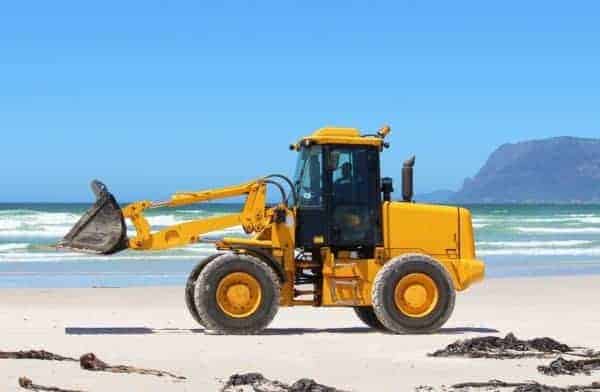
An excavator on a beach


Good quality heavy duty machinery is expensive. For some businesses, an excavator might be the most expensive tool in their warehouse. As with any investment, it is important to protect it and ensure it remains functional for the longest possible time. There are a number of considerations when it comes to storing construction equipment, and not all of them are obvious. In this article, we will briefly describe some of the common threats to construction equipment, and how best to mediate these threats to ensure the longevity of your materials.


Clean and Dry

One of the most obvious, but also difficult, aspects of construction equipment maintenance is managing rust and corrosion. Producers of this equipment are aware of this challenge, and so they use strong, corrosion resistant and reliable materials. All of the best manufacturing in the world won’t stop the rain from falling, however, and corrosion is always a long term risk for metal components. Mud can be exceptionally damaging over enough time, while still being the bread and butter of what construction equipment is designed to deal with. The real dangers of mud and water are related to long term contact, not day to day exposure. For this reason, whenever you are storing your equipment it makes sense to put it away while they’re clean and dry to avoid potential dramas.


Service Regularly

Heavy machinery comes with guidelines on how regularly certain components need to be serviced and it is important to stick to these guidelines. Having components fail on you can cost exorbitant amounts of money to replace, particularly if the failure triggers a cascade of failures. Often those guidelines will include two numbers, like 3000km/3 years. This means that whichever one of those numbers comes first, it’s time for a service, even if your excavator has been sitting in the shed for two thirds of that time.


Preventing Theft

Thefts is often a secondary consideration when it comes to proper storage of construction equipment, but the unfortunate reality is expensive machines fetch a significant sum on the black market. It is well worth understanding that your super power generator, which powers entire worksites, could be adapted by someone else to power their off-grid home. Install security cameras, GPS tracking devices, extra locks and even 24/7 security patrols, which may be cost effective mechanisms for preventing theft.


Contact AllClass Construction Equipment for Servicing

AllClass Construction Equipment have more than 20 years of experience distributing heavy machinery across Queensland. We pride ourselves on our personalised service and have experience protecting and maintaining equipment. We have a fleet of service professionals ready to service your machinery. Talk to one of our consultants today on 1300 255 252 or contact us online.
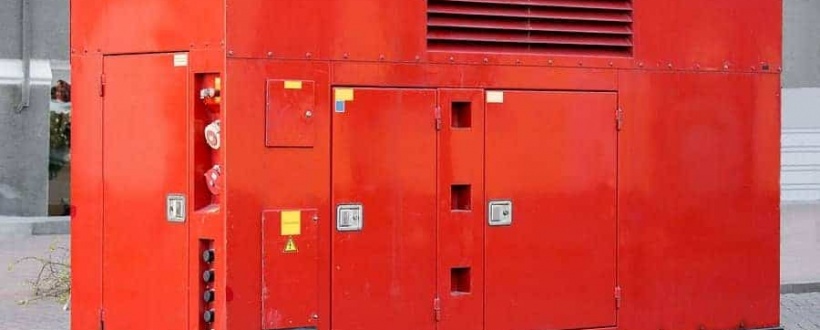
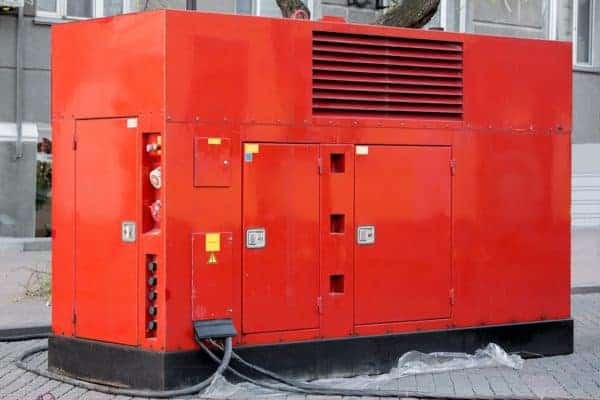
 

Mobile electric power generator for emergency situations, red color on outdoor.

Mobile electric power generator for emergency situations, red color on outdoor.


The invention of the internal combustion engine revolutionised construction equipment. The following invention of the diesel engine made heavy machinery even more powerful and cheaper to run. Today, engines are continually being improved in many ways, and electric engines are beginning to find their way onto the market. In this article, we will talk about the variety of engines and generators on the market, as well as making some bold predictions for the future of the power industry.


Generators

Generators come in a wide range of shapes and sizes, serving a variety of functions for different jobs. Small, high-tech generators like the Kubota Workforce Series take advantage of all of the recent innovations in fuel efficiency and noise minimisation to provide reliable power. Of course, if you need more power for more machines, you will need a bigger, heavy-duty generator like the Kubota SQ Series, capable of producing single and three phase power with strict internal voltage regulation to protect your heavy equipment.


Engines

Engines are the backbone of our modern world. Without engines, there’d be no planes, trains, automobiles, large ships or any of the frills that come with our interconnected world. Not all engines are made for the same purpose. Some are better designed for running pumps, running cars or running heavy machinery. Depending on your precise application, there is a different sort of engine that will be more suited to your needs, and it is recommended that you chat to a professional engine supplier before purchasing one.


The Future of Power Equipment

The future is green. Globally, climate change is recognized as the biggest threat facing humanity, causing scientists, engineers and inventors to focus on creating environmentally friendly products. As shown from decades of spin from extractive industries, there is no alternative to petrol and diesel, otherwise trucks in Australia will stop functioning. For a while, there may have been some basis for that spin, but recent innovations have seen the production of powerful trucks running solely on electricity. It might take a while, but it’s possible that a lot more power equipment will run off electrical power supplied by an increasingly renewably supplied grid.


For Generators and Engines in Queensland Contact AllClass Construction Equipment

 AllClass Construction Equipment have more than 20 years of experience as professional distributors of engines, power equipment and heavy machinery in Queensland. We specialise in Kubota products and offer a full suite of services, from sales and consulting to servicing and maintenance. We pride ourselves on our personalized service and we take our client’s satisfaction seriously. Talk to one of our professional consultants today on 1300 255 252 or contact us online

Engineer talking on radio at construction site on a hot day

Summer and other hot weather periods are seriously dangerous seasons for construction staff. Many of the dangers aren’t obvious and it’s worth taking the time to understand and avoid the risks. We’ve put together some tips for onsite workers to make summer a lot safer.

Understanding the Risk Factors and How to Manage Them

Heat can be debilitating. It affects your metabolism and over-exposure can cause heat stress and in some cases medical conditions.

These are the major risks and ways of managing them:


  • Hydration: The body uses up water much more rapidly in hot weather. If you dehydrate, you can experience serious issues like kidney stones, due to lack of water in the body. Lack of hydration can also affect salt levels, which can affect your digestion and bodily functions. Drink cool water, preferably not with sugar additives, regularly. Avoid excessive salty food, which can affect hydration levels.


  • Avoid caffeine and alcohol! Caffeine and alcohol speed up your metabolism and can cause runaway sweating, which is a hydration risk. Both are also well-known diuretics, causing water loss just when you need water most. Don’t drink either, particularly high caffeine drinks with a lot of sugar in them. Stick to water, which refreshes without side effects.


  • Heat exposure: The longer you’re out in the heat, the more you’re exposed to the effects. Don’t work in the hot sun for long periods of time and use shade to cover the workspace. Shade makes a big difference in hot weather, reducing heat exposure and improving working conditions. Use shade wherever possible to minimise the negative effects of heat. Use covered vehicles and schedule work in exposed areas for cooler times of the day. In extreme heat, there’s no safe level of exposure. Put your staff on other duties, out of the heat.


  • Heat exhaustion: Heat exhaustion is caused by over-exposure to heat. The body may experience cramps, and in some cases, heat prostration or heat stroke. These can be serious medical conditions and there’s no good reason for risking them. These conditions are easily avoidable with simple precautions like managing shade, drinking water, rescheduling work and simply avoiding exposure.


  • Food risks: High protein and fatty foods affect hydration levels. The body uses water to process protein and fat generates high calories counts, which is also not good for your metabolism in hot weather. Eat vegetables like celery, tomatoes, and fruits, which have pure water in them and don’t add to the calorie count.


  • Glare and dust: These problems cause real fatigue, breathing issues, and generally reduce efficiency. It’s hard to focus when you’re being affected by glare and choked by dust. You have to work harder, which in hot weather means you get tired more quickly. Use proper sunglasses and masks to avoid these issues.


Contact us for the Latest Equipment

Allclass Construction Equipment works with Australian businesses in all types of weather. We know how tough it can be working in a Queensland summer.  If you’re looking for the latest construction equipment for hot weather, browse our range of fully covered mini excavators and other equipment. You can call us or contact us online to discuss your needs.

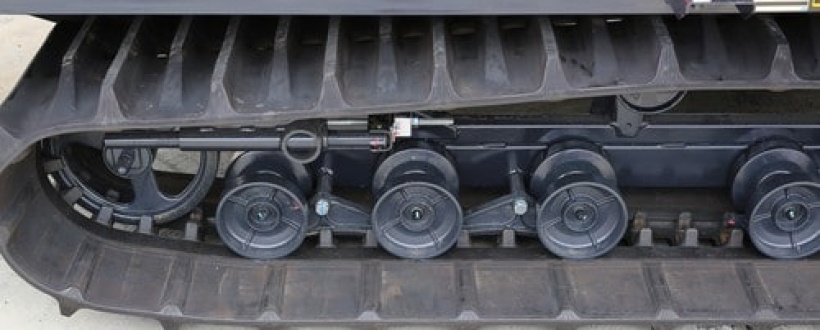
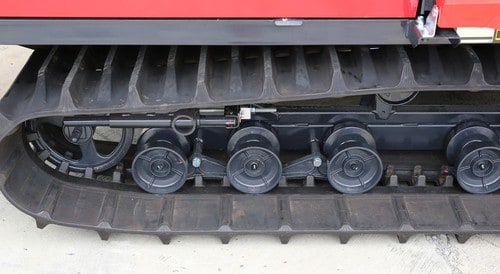
Rubber tracks on Kubota excavator

Rubber tracks are used on excavators and other tracked vehicles to minimise ground damage. They’re very good in this regard and you can be sure that you won’t be leaving a wasteland behind your machine. The main issue, in fact, is keeping the rubber tracks in good working order.

These tracks take a lot of wear and tear when compared to steel tracks. Although they’re very durable, they need some maintenance and attention, preferably whenever there are time and space to do it. This regular care reduces overall maintenance time, taking care of minor issues to prevent a bigger workload later.

Rubber Tracks – Care and Maintenance Tips

To care for and maintain your rubber tracks, you need to know what to expect. Different types of terrain can cause different problems but can predict some issues before they happen and deal with them easily.

For example:

  • Mud and debris: Materials of this type are taken up by the tracks, which clogs them. It’s not good for the tracks over time. The easy fix is a thorough clean and removal of the mud, preferably ASAP.


  • Undercarriage and assembly: These areas, being under the vehicle, also take up a lot of mud, dust, and small debris. It’s best to check the undercarriage regularly and ensure that there are no significant deposits of materials on them.


  • Uneven wear: This type of wear is caused by more pressure being put on one track than another, often during repetitive work. The unevenness of the tracks affects performance. It’s best for operators to avoid the usual practice of locking tracks. Make turns with the vehicle, rather than locking, to avoid uneven wear.


  • Inspect the machine before operation: Your machine can start up and instantly have problems because of some minor difficulty with the tracks. It’s a good idea to check the rollers and driving sprockets for any issues before operation. Driving sprockets are also very prone to accumulating materials, due to their shape. Be patient, but quick, when fixing any problems.


  • Track tension: Over-tension in tracks can be a serious problem. The tracks, if stretched too tightly, react to pressures and impact much more than at a slightly loose tension. This can do damage to alignment and increase wear on the tracks. Stick to a specified level of tension and “track sag”.


  • Common sense: The other simple and very effective way to care for your tracks is to simply stay alert and be aware of any unusual movements or sticking, or similar behavioural issues. While it’s important to be vigilant, don’t try to DIY-fix anything that looks like a complex issue. Get it checked out by your service people for the best results.


Allclass Construction Equipment Are Your Track Specialists

Allclass Construction Equipment provides a full range of 5-star rapid response services for our Kubota tracked vehicles.  We’ll be onsite ASAP to avoid downtime and solve your servicing issues right away. You can call us or contact us online to get expert help anytime.

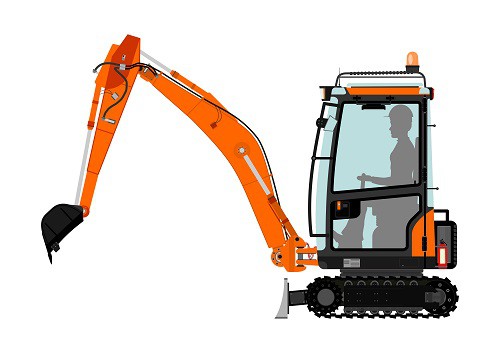
Illustration of mini excavator with small digging attachment

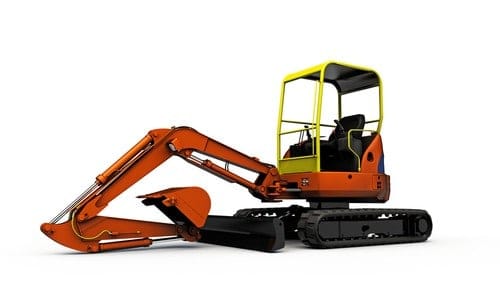
It’s fair to say that the introduction of mini excavators in the construction industry is a revolution. Mini excavators have become very popular in the extremely cost-conscious building trade and in other sectors. They’re well known for their high performance, reliability, and excellent business values. They’re also very practical options in many ways, reducing operating costs and delivering measurable values.

The 7 Benefits

These benefits are the reasons why mini excavators have taken over from larger excavators around the world:


  1. Agility: Mini excavators are highly manoeuvrable on any work site. They can access all areas and reduce positioning time compared with large excavators.


  1. Ease of training: Mini excavators are very trainee-friendly. It’s easy to learn how to operate a mini excavator, which also reduces training costs and time.


  1. Better access onsite: Mini excavators can move into tight areas and operate with ease. The traditional access issues with large excavators make the bigger machines quite unsuitable for some sites. There’s much less need to demolish to obtain access, too.


  1. Less damage to the worksite: These lighter vehicles don’t dig up the soil or turn worksites into quagmires when it rains. The mini excavators leave a very small footprint on operating surfaces, reducing risks to driveways, gardens, etc.


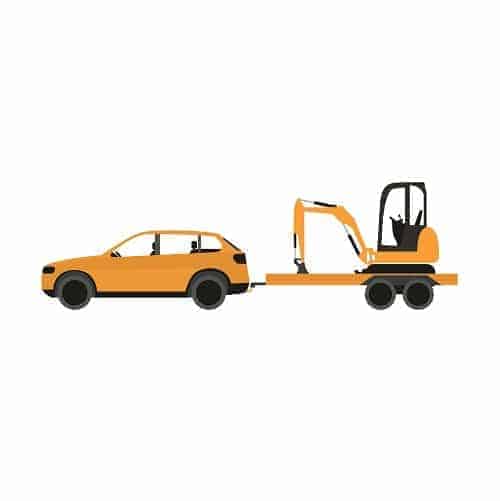
  1. Transport: The much smaller mini excavators are easy to transport by trailer, eliminating the expensive logistics of moving large excavators while delivering the extra benefits of their size and agility.


  1. Multi-functionality and high productivity: One area where mini excavators truly excel is in their versatility and ability to deliver multiple onsite services using attachments. A mini excavator can actually do more than a large excavator in this regard.


  1. Lower operating costs: Mini excavators save money in all areas of operation compared to big excavators. They can do the same work at a lower cost while delivering the same performance as large excavators in many different roles.

Business Benefits

The 7 benefits above all add up to a further, ongoing major benefit in the form of much better cost values for businesses. If you’re considering your options for buying a mini excavator, there are some added points for consideration

A mini excavator will deliver:

  • Reduced operating costs
  • Lower training costs
  • Improved functionality and versatility
  • No major access issues
  • Better transportability and logistics
  • Improved profitability through lower costs
  • Very high values in onsite performance across all types of work
  • Much better operational efficiency onsite

These net values, applied to a construction company over any period of time, equal major dollar values for businesses. A mini excavator is as much an investment as a piece of equipment. You can reduce overheads, improve performance, and add a range of capabilities to your business.

Brisbane’s Home of Mini Excavators

Allclass Construction Equipment has an impressive range of new and used mini excavators. If you’d like to find out more, call us or contact us online and discuss your needs with our mini excavator experts.  We’re happy to assist and provide any guidance you require.

Yellow diamond safety sign with large black exclamation mark

Trailer safety is not a compromise, especially when you’re towing a trailer with an excavator. While it might seem like common sense to drive safely when towing, there’s a lot more to it when you’re carrying a heavy load. We have some tips and pointers for you to help you manage your trailer safely on the road.

Critical Safety Tips

The bottom line with trailer safety is making sure your trailer is secure and safe on the road. You need to cover all the angles:

  • Safety chains: Whatever load you’re carrying, you may need one or more safety chains depending on the loaded weight of the trailer.  Chains must comply with Australian Standards as specified under relevant regulations and guidelines from the state traffic authority. Safety chains must be connected to the towbar.


  • Towbars: Towbars must be rated to at least the weight of the load. Underweight towbars are major risks on the road; they can’t manage the heavier load and may even detach while driving.


  • Braking systems: Braking systems may or may not be legally required for lighter weight loads, but they’re good value for safety on the road. Best practice is to have a braking system that is operable from the driver’s seat.


  • Towing vehicle requirements: The vehicle must not carry loads over the manufacturer’s rated towing capacity and the trailer’s towing capacity. If you try to haul a trailer over either the vehicle or the trailer’s capacity, there are very serious risks of instant failure.


  • Rear marker plates: If your trailer is over 7.5m long, you must have a Do Not Overtake Turning Vehicle plate attached to the trailer. This is also a useful reminder to following vehicles that you’re driving a long trailer with a turning curve slower than they are, so it’s well worth fitting these plates.


Safe Towing: Things to Look Out for on the Road

Anyone who’s ever towed a heavy load will tell you that you can actually feel load problems within seconds of starting. The above points are the simplest ways to ensure that your vehicle and trailer perform well.

Major issues with a towed load include:


  • The sluggish or erratic performance of a trailer on bends in the road: This indicates that the trailer is lagging behind and that it may drift outwards or inwards towards traffic or the road edge. The trailer can also act as a counterweight, pulling against or away from the direction of your vehicle’s movement. At the first sign of performance issues, check the trailer.


  • Steering issues caused by the load: If the towing vehicle isn’t responding properly to steering, the load may be unsafe. The risk is that you may not be able to respond quickly enough to traffic movements or sudden events. Don’t take any risks with an unpredictable steering situation; you need a bigger, better trailer to manage the load.


Talk to Allclass Construction Equipment

If you’d like some expert help with trailer safety, or you’re looking for a new trailer to upgrade your mobility, Allclass Construction Equipment is your local source for top quality trailers. Call us or contact us online and speak to our experts.

Illustration of mini excavator on trailer, towed by car

Mini excavators are the workhorses of the construction industry. Every construction firm has at least one. The major issue with these reliable and hardworking machines is transport. This makes a good trailer a must-have piece of construction equipment.

In this post, we’re going to give you some pointers about choosing the right trailer for your needs.

Trailer Essentials

Looking for a mini excavator trailer? You will need:

  • A trailer with good carrying capacity above the weight of your mini excavator. This extra capacity means that your trailer is strong enough to handle the added stresses of road travel, moving around sites, and other strains.
  • Preferably new: Trailers are placed under major stresses over their working life. Old trailers are OK for lighter workloads, but not for carrying important equipment like a mini excavator. You need a new trailer that which is in top quality condition, particularly if you’re on the road a lot, moving from site to site.
  • Good wheels: A good trailer has at least four wheels supporting the tail of the trailer. This gives better balance on the road and improves steering by managing the load of the mini excavator more efficiently on the road.
  • Solid carry frame: Whether you choose steel or alloy, the frame is a critical part of the trailer. The frame should also have a solid plate base for positioning your mini excavator with supports. This keeps the excavator steady and in place on the road.

Considerations: Safety, On Site and On Road Performance

You’ll have noticed from the above points that your choice of trailer is based on its ability to manage the load of your mini excavator on the road. This isn’t just common sense – it’s also a major safety issue.

Load movement and drift on substandard trailers are notorious for creating issues on the road. Heavy weights on trailers can cause significant performance issues for towing vehicles. Slow responses or wide drifting movement on a trailer is a recipe for trouble. A good trailer responds well to towing vehicle movement and doesn’t drift. This makes travel a lot safer and reduces the risk of accidents.

Performance problems with the trailer can also do damage to your vehicle. An erratic trailer can add strain to its steering, brakes, and suspension. That, in turn, can cause safety issues for the vehicle and added maintenance costs.

A good trailer is a useful asset for getting your mini excavator on the ground and working with minimal fuss. Get the advantage by choosing a safe, manoeuvrable trailer that can position your mini excavator wherever you want.

Ask Allclass Construction Equipment about Trailers

If you need a top quality trailer for your business in Brisbane, call Allclass Construction Equipment or contact us online and ask us about our trailers. We’re happy to provide you with any advice, guidance, and services you need.

Tracked excavator with articulated digging shovel

If you’re in the construction industry, purchasing equipment is an ongoing evaluation of choices and costs. There is a vast amount of equipment available, all of which is a potential major asset. While this means plenty of choices for the consumer, it can also mean difficulty choosing appropriate equipment.

We’ve put together a checklist to make your purchasing decisions a bit easier.

Understand the Basics

Start at the beginning. What do you need? What’s your budget? What are your choices?

Let’s look at the absolute basics. There are two categories of must-have construction equipment:

  • Essential construction equipment: What are your top priorities? Do you need an excavator, a stump grinder, a trench digger, an onsite power generator, or a mix of these things? Make a short list with your budget in mind.
  • Attachments and accessories for your equipment: Will you need a hydraulic hammer, a trailer for travel, a palette fork, or other gear? To decide, stick to the attachments and accessories that are required for your work. Plan your purchasing strictly on a needs basis. If you don’t need something right now, it can wait.

Planning Your Purchases

OK, you’ve got your lists. Now you can assess what’s available on the market and break down your choices into simple but effective options.

For example – let’s assume you want an excavator. This is your checklist for the essentials:

  • Suitable for your core work: This is a yes/no answer. Stick to the equipment that delivers the capacity you need. Check performance, product specifications, and all the other critical data to make sure.
  • Able to carry all the attachments you need, like hydraulic hammers, etc.: Your attachments and accessories list simplifies your range of choices by eliminating unsuitable equipment. Ensure the attachments are suitable for your choice of machine and check their performance information as a guide.
  • New or used? This isn’t entirely a cost issue. Sometimes used equipment is a very good option. If you find a reliable piece of equipment you know is good and can do the job, a used machine is likely to be a good choice. As long as you can get a used machine serviced, it’s a potentially viable option.
  • Spare parts: If there’s any doubt at all about spares, forget about the purchase. All machines need spares. You should be able to access authentic parts, too, particularly for good brands.
  • Servicing: Like spares, it’s essential that you understand the servicing schedule and the ease of servicing before you purchase. It’s not worth the frustration to buy equipment that might be hard to service. That can be expensive and it will risk significant downtime.

Call Allclass Construction Equipment

We hope you’ve found our checklist useful and informative. If you’re looking for any kind of construction equipment in Brisbane, call us or contact us online. We’ll be happy to find the perfect equipment for your business.

Hydraulic hammer on excavator breaking up large rocks.

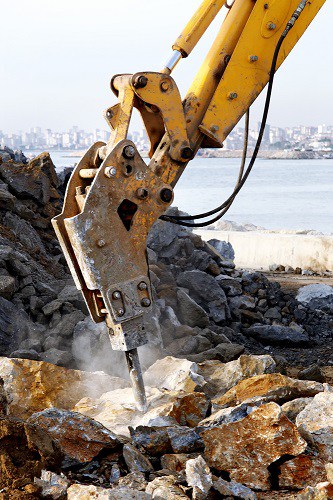
Hydraulic hammers are some of the handiest demolition tools, but improper use can cause them damage or present safety risks. Knowing how to use the tool correctly will keep you safe and help the hydraulic hammer last longer.

Below is a step by step guide on how to properly operate the tool as well as how to care for it.

Guide to Proper Tool Use

  1. Apply grease liberally on the parts that receive the most stress before use
  2. Position the tool on the surface and then operate it. Once the material below the tool is demolished, stop the hammer immediately.
  3. Attack the surface with short strikes between 10 and 20 seconds before removing the hammer and choosing a new angle or position of impact.
  4. Make sure the tool is striking the surface at a 90-degree angle so the shank, chuck and carrier all act as one unit.
  5. Do not overuse the motion between the chuck bushing and the tool to prevent damaging the tool or the chuck bushing.
  6. For larger material, take a gradual approach to breaking it up by working on sections at a time. Start at the edge and then work your way to the centre.

When your hammer heats up, let it rest for a short period of time. This will let it cool off and prevent damage. If the tip gets dull, recondition it with lathing, milling or planing. Do not lift, pry or pick up material with the hammer and never operate it underwater.

Common Causes of Tool Breakage

Hydraulic hammers are durable, well-constructed tools. If they break, it generally means the tool has been subjected to a lot of bending or some other mistreatment that has weakened it. Anything that interferes with the flow of compressive and tensile action will apply a lot of stress to the tool and shorten its lifespan.

Common causes of tool breakage include:

  • External forces – Anything that causes side force to be applied to the hammer should be avoided. This includes using the tool to pry, working at an incorrect angle (other than 90 degrees), or attempting to break ground using the pull of the machine. The hydraulic power in the carrier far exceeds the strength of the tool itself.
  • Blank-firing – This happens where the hammer piston strikes the top of the tool but the working end of the hammer isn’t in contact with the material you’re trying to break. This could be because the tool slid off the work or broke through it before you switched it off.
  • Mechanical damage – General mistreatment or damage directly caused to the hammer such as scratches, gouges, bending or weld marks can cause the tool to fail.
  • Cold – Low temperatures can increase the chance of tool failures. Your hammer should be warmed up by breaking light or moderate materials before excessive use or attempting to break through large materials.
  • Poor lubrication – Ensure the tool shank is well lubricated before inserting it into the tool holder. Metal to metal contact can cause deep damage marks, cracks and eventual failure of the tool. Grease should generally be applied every two hours but you should check the operator’s manual for the specific tool you have.
  • Corrosion – Keep tools well greased and sheltered from the weather when not in use to prevent parts from going rusty.

Brisbane’s Home of Quality Construction Equipment

If you need a hydraulic hammer or other construction machinery in Brisbane, get in touch with the team at Allclass Construction Equipment. We stock all sizes of the famous Toku brand hydraulic hammers, from 0.8 to 80 tonnes. These hammers are adaptable for excavators, backhoes and skid steers.

For new or used construction equipment, call us on 1300 255 252 or contact us online.

Close up of muddy steel tracks on mini excavator

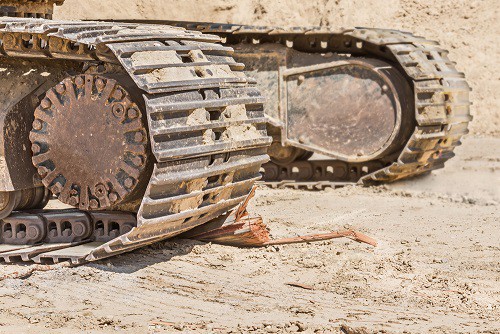
If you’re considering getting a new mini excavator, you may be wondering what the advantages are of steel tracks in comparison to rubber tracks. They each have their pros and cons and ultimately they have different applications depending on the nature and stage of each project.

Put simply, rubber tracks offer more versatility while steel tracks offer greater durability. Below we’ll look at how these advantages apply to specific situations during construction projects to help make the decision easier.

Traction

Rubber tracks have a noticeable traction advantage over steel tracks on most surfaces. Rubber has a higher intrinsic friction and melds to uneven surfaces, increasing the overall surface area. On any relatively smooth, dry surface, rubber tracks will have the advantage.

Rubber tracks can operate over concrete and asphalt without wearing or damaging, something steel tracks cannot do because they are heavier and harder. This makes them ideal for construction projects that are in the late stages of development. Rubber track excavators can access job sites connected to finished landscaping or existing pavement.

Steel tracks gain a traction advantage over rubber in harsher types of terrain and environments. For example, steel tracks can bite and hold onto muddy surfaces that rubber tracks would simply spin on. The rigid steel can push a vehicle over extremely uneven surfaces where a rubber track would slip while conforming to it.

Durability

Steel tracks excel when it comes to durability. The strong, rigid material sheds off contact with the many sharp and hard surfaces normally found on a construction site. Steel tracks are physically resistant to environmental materials as well as being far less likely to be damaged from chemicals.

Rubber can literally be dissolved or damaged by many chemicals and materials found on the job. Even oil and grease can damage rubber tracks. Rubber tracks also require a lot more general maintenance in terms of checking and adjusting tensions and ensuring it’s clean. Unlike rubber tracks, steel tracks have slack in their system, allowing rocks and other debris to be naturally expelled.

Comfort

Rubber tracks flex and conform to the terrain, generally meaning the ride is a lot more comfortable for the operator. Steel tracks tend to cause far more jarring, which can fatigue the operator. Steel tracks are also very loud, which could be a positive in terms of warning work crews and passersby that heavy machinery is being operated, but it can also be bothersome for the on-site crew.

Choosing a Track

In most cases, there is a great deal of overlap in terms of what can be done with either rubber or steel tracks. In many cases, they’ll perform the same job with the same efficiency and quality. Choosing between them is a matter of judging which option suits the specific circumstances of your construction project.

If you’re working around particularly jagged rocks, mud and thick brush, the advantages of steel tracks are unquestionable. Steel track loaders are generally more expensive, while rubber track loaders are more commonly used and widely available.

For All Your Mini Excavators and Construction Equipment

If you need rubber or steel track loaders in Brisbane, get in touch with the team at Allclass Construction Equipment. We offer a range of high quality new and used construction machinery and can advise you about the best track type for your construction project. For new or used construction equipment, call us on 1300 255 252 or contact us online.